ZebraPeutics has established a standardized molecular biology technology service system to provide technical support for gene function research and drug development.
Molecular Biology CRO Platform offers the following services:
· Gene manipulation and vector construction: including the design and rapid assembly of CRISPR gene editing vectors, overexpression vectors, and reporter gene vectors;
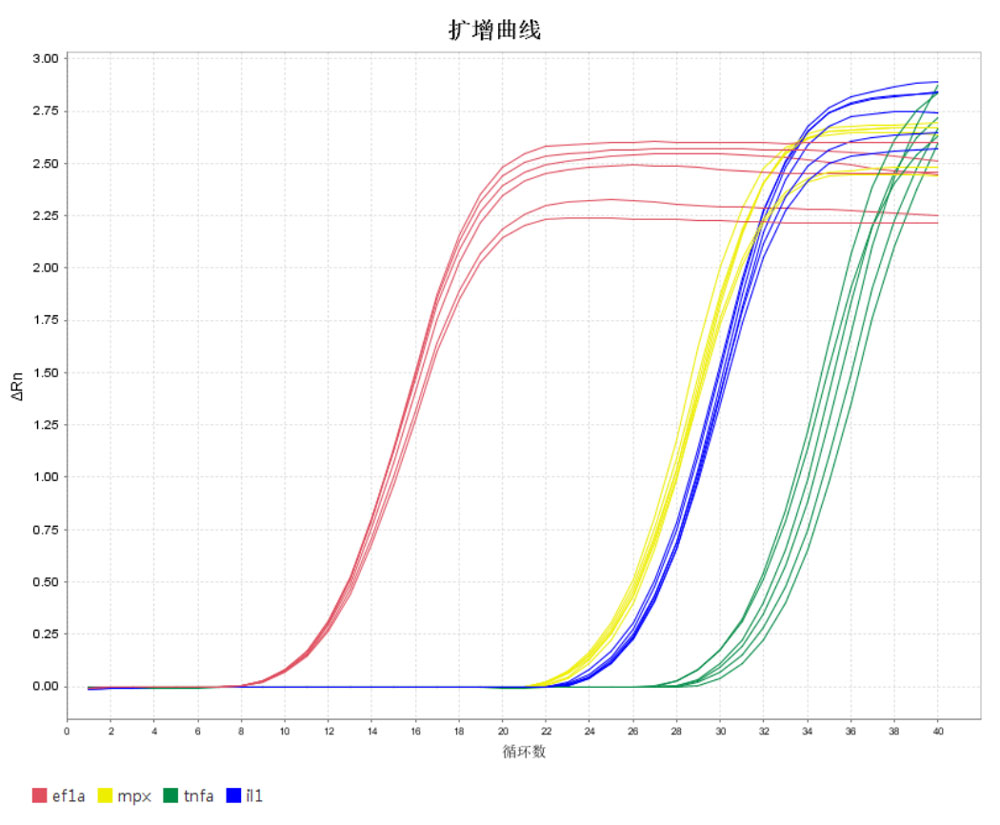
· Accurate expression analysis: using fluorescence quantitative PCR technology to achieve precise quantitative analysis of gene expression levels;
· Spatiotemporal localization detection: Analyzing gene expression spatial patterns through whole embryo in situ hybridization technology;
· Protein detection: Based on Western Blot and immunofluorescence techniques, analyze protein expression levels and spatial distribution.
1. Nucleic acid extraction
We can provide nucleic acid extraction and purification services for animal tissues, organs, feces, bacteria, etc.
RNA extraction | DNA extraction | plasmid extraction
[Case]
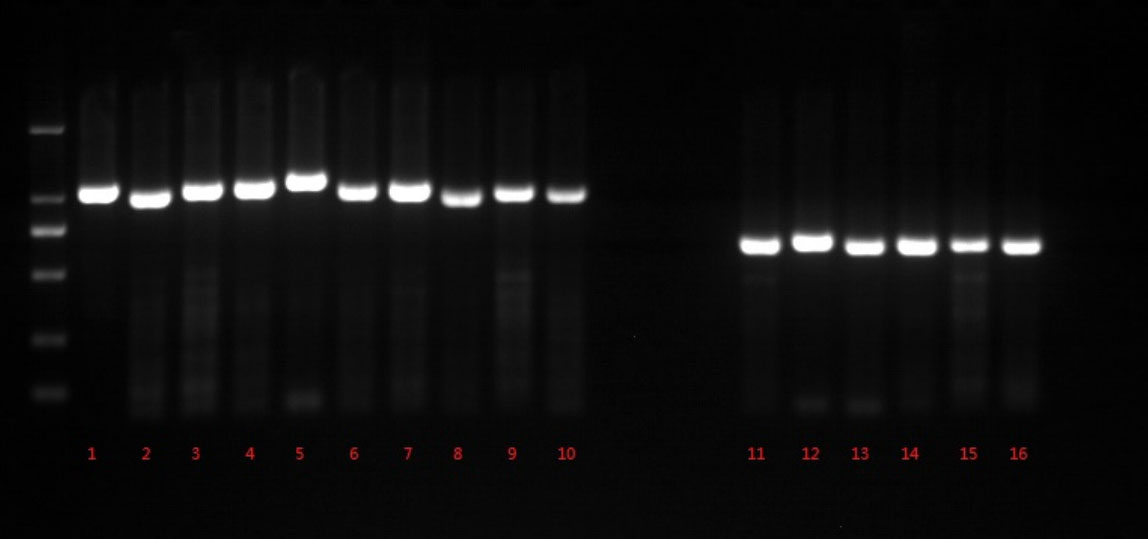
2. PCR and real-time fluorescence quantitative qPCR
We provide services such as animal genotype identification, conventional PCR, and real-time fluorescence quantitative qPCR.
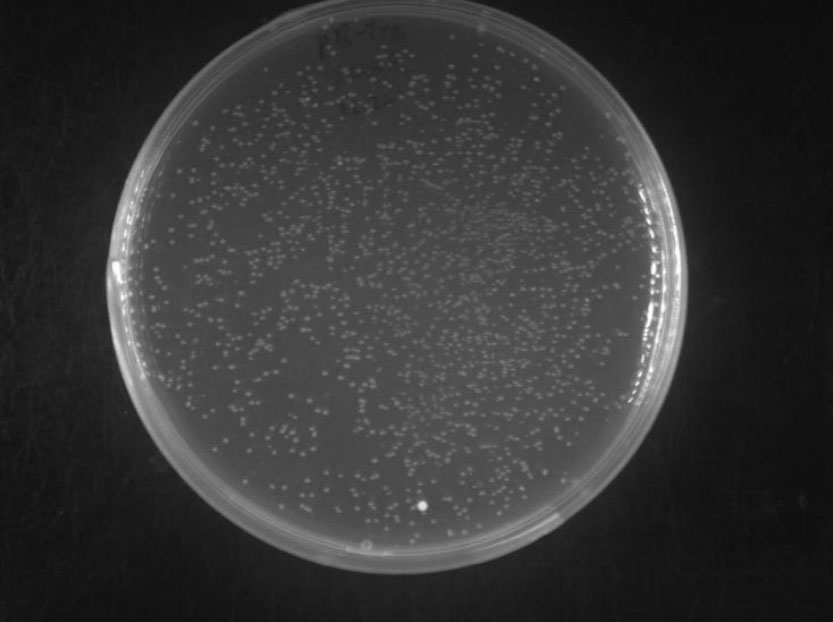
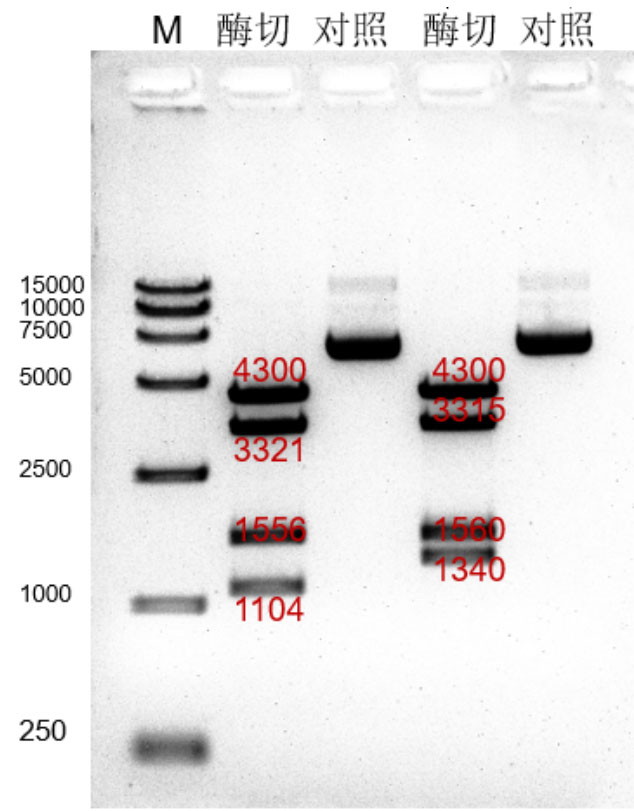
3. Construction of recombinant plasmids
We can provide basic construction and identification services for recombinant vectors.
4. Whole body in situ hybridization of zebrafish
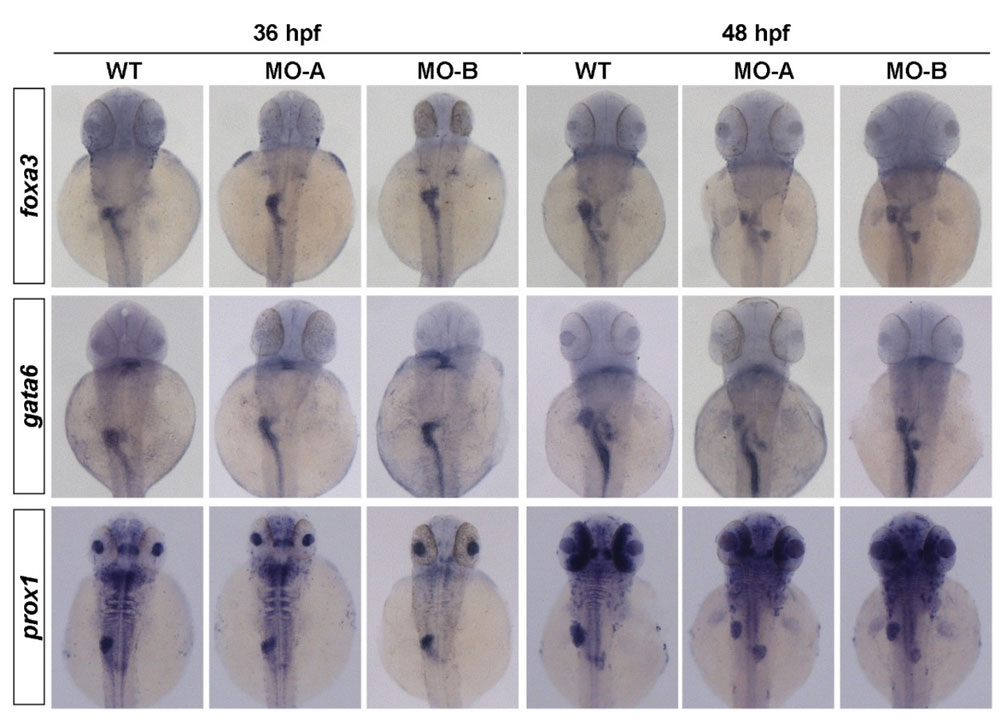
Whole-mount in situ hybridization staining of zebrafish embryos: Using labeled nucleic acid probes to hybridize with complementary sequences of the test nucleic acid in zebrafish embryos, qualitative, localization, and relative quantitative analysis of specific nucleic acids in embryos can be performed. It is a direct and convenient method for studying gene localization and expression.
5.TUNEL staining method for detecting cell apoptosis
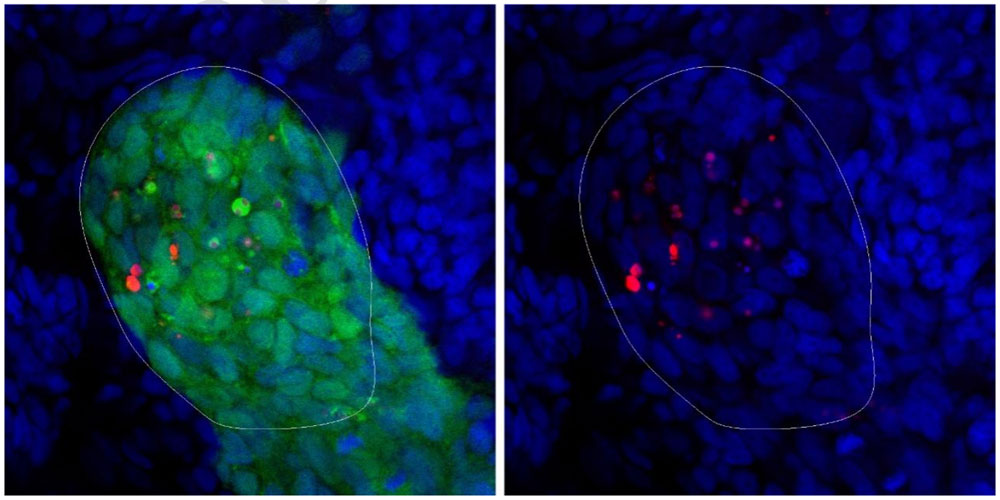
TUNEL staining is based on terminal deoxynucleotide transferase (TdT) catalyzed fluorescence/dUTP labeling of DNA break ends, specifically targeting apoptotic cells. Combined with microscopic imaging, it achieves precise quantification of programmed cell death at cellular resolution.
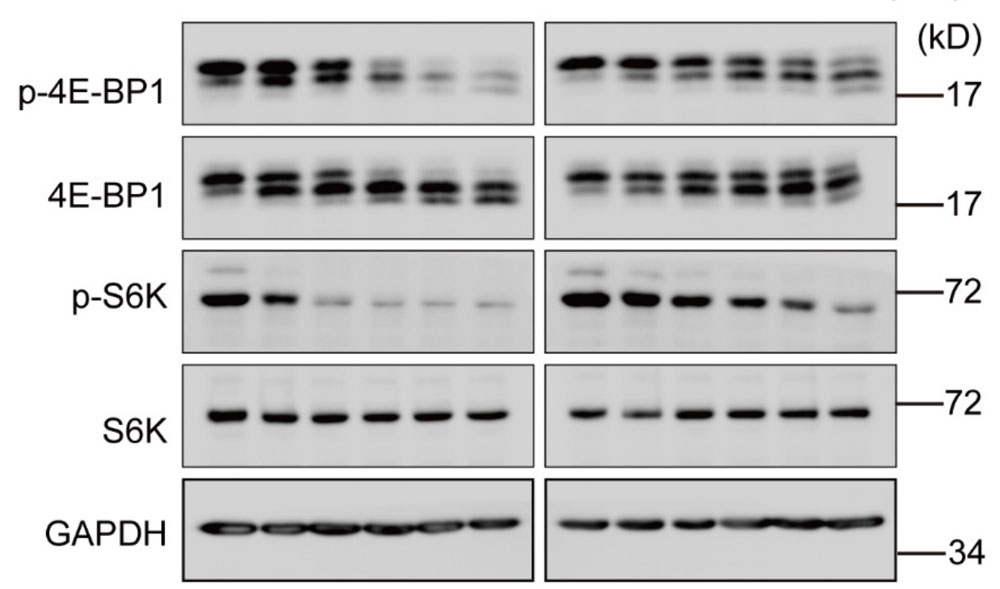
6. Western Blot
Proteins are separated by SDS-PAGE electrophoresis, and after membrane transfer, specific antibodies are used to bind to target proteins. Combined with chemiluminescence/fluorescence labeling of secondary antibodies, high-sensitivity (pg level) quantitative analysis of protein expression levels is achieved, which is widely used in disease biomarker detection, drug target validation and mechanistic studies.